
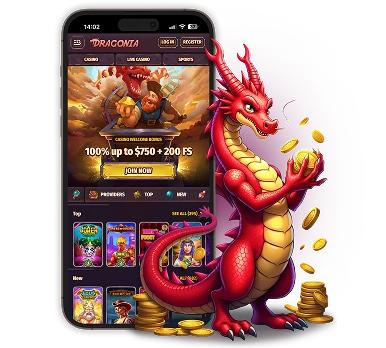
A large online casino lobby can be useful when you already know what you want, but confusing when hundreds of titles compete for attention. For New Zealand adults comparing licensed online casinos, a better approach is to sort games by format, understand what each category involves, and use filters as a discovery tool rather than treating every highlighted title as a recommendation. The catalogue at climatecatalyst.net can be considered alongside the operator’s own terms, game information and availability notices.

Start with the game format, not the title
The broadest choice is usually between slots, table games, live dealer games, instant games, jackpots and game shows. Each format creates a different type of session. Slots are generally built around reels, symbols and bonus features, while table games use recognisable rules such as blackjack, roulette or baccarat. Instant games may be shorter and more feature-driven, whereas game shows often use a host, rounds and special bonus mechanics.
Slots can then be divided into further styles. Some focus on cascading symbols, expanding wilds or free-spin rounds. Others use progressive or fixed jackpot structures, multiple paylines or a small number of high-value features. A familiar theme does not tell you how a game behaves, so read the information supplied in the game window before deciding whether its pace and complexity suit you.
Table games are often easier to compare by their rules than by their graphics. Roulette variants may differ in wheel layout or available bets, and blackjack tables can use different rule combinations. Live dealer games add a streamed table and human dealer, which may appeal to people who prefer a more social presentation. They can also feel slower than an automated version, so the format matters as much as the game name.
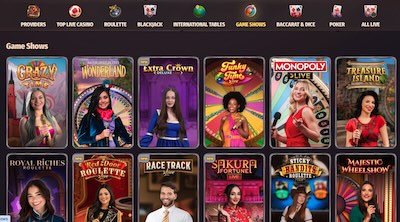
What do lobby filters actually tell you?
Lobby filters are most useful when they answer a specific question. A provider filter can show whether a preferred studio is represented, while a category filter narrows the search to slots, roulette, blackjack, live tables or jackpots. Collection labels such as new, popular, exclusive or feature-based can help with browsing, but they are organisational descriptions rather than evidence that a game is more suitable or more likely to produce a return.
Feature filters deserve careful interpretation. A label connected with free spins, jackpots, buy features, cascading reels or bonus rounds describes part of the design, not the likely outcome of a session. If a game has a high number of visible features, that may also mean a more complicated ruleset. Open the paytable and help panel where available, and check how wins, bonus rounds and special symbols are explained.
Availability can change for practical reasons. A title may be removed, limited by country, unavailable on a particular device or restricted by its software provider. The catalogue may also show games that are visible in search but cannot be opened from every location. If a filter produces an appealing result, confirm that the title loads for your account and that the operator’s stated terms apply before treating it as an available option.
How should you compare similar games?
Compare games using information that affects the experience rather than relying on artwork or popularity labels. Start with the game’s rules, paytable, feature descriptions and any displayed information about return to player or volatility. These measures are not promises about an individual session. Return to player is a long-run mathematical figure, while volatility describes how frequently and dramatically results may vary.
Pay attention to the number of decisions involved. A simple slot may allow one choice of stake and a spin, whereas blackjack requires decisions about hitting, standing, doubling or splitting. Some live games also offer side bets, but these often follow different rules from the main game. Comparing the base game with its optional features can prevent an attractive interface from hiding the parts that matter most.
Demo play, where offered, can help you learn controls and see how a game presents its information. It cannot establish what your real-money results will be or verify a long-term statistical expectation through a short session. For broader context about gambling and personal wellbeing, readers can consult New Zealand gambling information from the Department of Internal Affairs, rather than relying only on promotional descriptions.
When is a jackpot or live game worth considering?
Jackpot games appeal to players who enjoy a visible prize structure, but the jackpot label alone does not explain the game’s rules. Check whether the prize is fixed, progressive, shared across a network or connected to a particular feature. Also look for the qualifying conditions, contribution information and any displayed limits. A larger advertised prize does not make a title more predictable or better suited to every player.
Live games are best assessed through practical details. Consider whether you prefer a hosted table, automated results or a quicker interface. Look at the available variants, table rules, betting windows and any minimum or maximum stakes shown in the game lobby. The visual atmosphere can be appealing, but it should not replace reading the rules before making a decision.
Game shows occupy a middle ground between casino and television-style entertainment. They may include rounds, multipliers, bonus selections and more noticeable presentation than a conventional table game. That can make the experience engaging, but it can also encourage rapid decisions. Treat the format as entertainment with its own rules, not as a shortcut to better results, and leave any title that is unclear until its instructions are easy to understand.
What should you check before choosing a game?
Make a short pre-play checklist. Confirm that the game is available in your location, read its paytable, identify the main features and note whether the title is automated or live. Check the stake controls and whether the displayed currency and values are clear. If the game opens slowly, behaves unexpectedly or does not display its rules properly, stop and resolve the issue rather than guessing.
It is also sensible to separate discovery from selection. Browse several categories first, save the names of titles that appear interesting, and then compare their rules side by side. This reduces the chance of choosing the first brightly promoted game you see. Provider names can assist with finding a familiar design style, but they do not remove the need to inspect each individual title.
Finally, keep the session decision separate from the expectation of winning. A game’s theme, demo mode, jackpot display or popular label cannot predict a personal result. Use only funds set aside for leisure, decide in advance how long you will browse and play, and stop if the experience becomes pressured or difficult to control. If an operator’s game availability, rules or restrictions are unclear, check its current terms or contact support before proceeding.
Frequently asked questions about game discovery
Are popular casino games more likely to win?
No. Popularity usually reflects visibility, presentation or player interest, not a guaranteed outcome. Each game has its own mathematical design and short-term results remain uncertain. Read the rules and displayed information, but do not treat popularity, rankings or promotional placement as evidence of better winning chances.
Can demo play show whether a game is fair?
Demo play can show how the controls, paytable and features work. It cannot prove long-term fairness or predict real-money results from a short sample. Use it as a way to understand the format, then review the operator’s information and applicable terms before making any further decision.
Why might a game disappear from the lobby?
Titles can change because of provider decisions, country restrictions, technical maintenance, regulatory requirements or updates to the casino catalogue. A game’s previous availability does not guarantee continued access. Check the current lobby and stated terms, and ask customer support if a title is important to your decision.